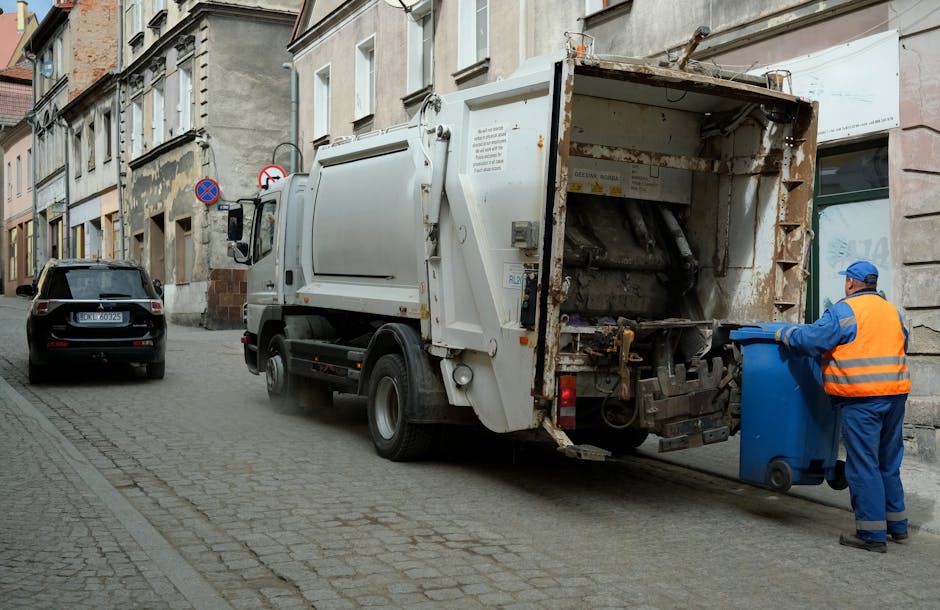
Commercial Waste Removal in Mottingham
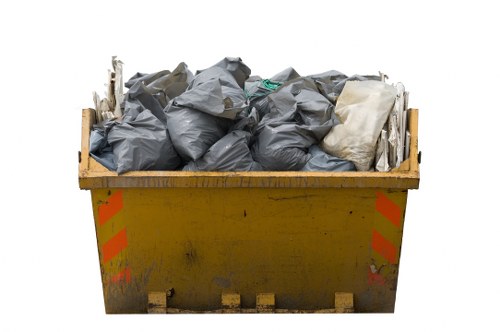
Commercial waste removal in Mottingham should make it straightforward to clear everyday business rubbish, awkward bulky items and routine mixed waste without disrupting the working day. We focus on practical removal for workplaces that need orderly collections, sensible sorting and a clear route from stored waste to the correct disposal or recovery channel. That includes one-off clearances, repeat collections and support for businesses that are changing layout, moving stock or dealing with accumulated items that no longer serve the premises.
Our service is built around commercial waste removal rather than general household tidying, so the emphasis stays on business premises, trade items and the different waste streams that can build up in offices, shops, light industrial units and shared buildings. Where it helps, we can deal with mixed contents, separate recyclable materials and remove heavy or awkward articles as part of one organised visit. If you need to compare the likely scope of work, the pricing and quotes page is a useful place to start, while book online is available for customers who already know what needs clearing.
Need a straightforward clearance plan? Start with a brief description of the waste, the access and the amount to be removed. Then ask for a quotation in the way that suits you best.
Business waste collections that stay practical
Commercial waste removal works best when the service matches the rhythm of the premises. Some businesses need a single clearance after a refit or stock change, while others need ongoing help to keep storage areas, back rooms and communal waste points under control. We can support both patterns, with collections shaped around the type of waste, the amount waiting on site and any access considerations that may affect lifting or loading. The aim is to keep the process orderly, with less disruption to staff and fewer surprises when the waste is ready to leave.
For many customers the important question is not only what can go, but how it should be separated. Office paper, packaging, mixed office contents, shelving, display items and obsolete equipment can each require a different handling approach. Our wider service pages give a sense of the main categories we handle, including office clearance for workspaces, business waste removal for ongoing commercial needs and waste removal where a general overview is helpful before choosing the right collection.
Typical business requests often involve more than just putting waste into a vehicle. They may include moving items from upper floors, clearing from storage cupboards, separating reusable materials and leaving the area ready for the next stage of work. A sensible plan usually starts with a clear description, followed by a quotation based on the waste type, the volume and the practicalities of removal. Good preparation saves time, especially when access is shared or goods have to be taken through customer-facing areas.
Office, retail and trade premises

Different commercial settings produce different kinds of waste, so the right removal approach depends on the premises. Offices often need removal of desks, chairs, filing, packaging and redundant equipment. Retail spaces may have display fittings, stock packaging and obsolete fixtures. Trade and light industrial sites can produce timber offcuts, damaged materials, protective packaging and general commercial rubbish. Each setting benefits from a tidy sequence: identify the items, sort what can stay or be reused, then remove the waste efficiently and in one controlled process.
When the clearance is linked to changing operations, it may help to divide the work into stages. Start with the items that block movement, then move on to the bulk waste and finally the smaller material that is left behind once larger pieces have gone. That approach is particularly useful where a site has mixed contents or where teams still need access while the removal is taking place. If the premises include a stronger contamination risk or specialist material, it is sensible to check whether a dedicated route is needed, for example through hazardous waste disposal rather than ordinary mixed waste handling.
- Office furniture and filing that is no longer required
- Retail packaging and redundant display materials
- Trade offcuts, timber and mixed non-hazardous waste
- Bulky items that need careful loading or dismantling
Bulky items, fixtures and larger clearances
Some commercial waste removal jobs are mainly about bulk rather than quantity. A small number of large items can occupy more space than a full set of bags, especially when desks, shelving, counters or storage units are involved. In those cases, the emphasis is on safe movement, careful handling and separating what can be taken apart from what must stay intact until loading. Businesses often want these items removed without disturbing the rest of the building, which is why route planning and sensible handling matter as much as the final disposal.
We can also support customers who are replacing furnishing or disposing of outgrown stock from public-facing or back-office spaces. The most relevant pages for that kind of work include furniture clearance for general items, furniture disposal for end-of-life removal and mattress and sofa disposal where bulky upholstered items form part of the waste stream. For larger internal projects, builders waste clearance may be a better fit when the work area also contains rubble, packaging or stripped-out materials.
Where a project includes multiple categories, the final quotation normally depends on the mix rather than a single item count. That is because heavy furniture, light packaging, dismantled fittings and general waste each affect loading time and vehicle space differently. One clear list of what is staying and what is going can make the process much more direct. If the job includes reusable or recyclable material, separating it before the collection can make the waste route more efficient and easier to describe.
Household-style clearances for commercial premises
Not every business keeps only office furniture and packaging. Some commercial premises also hold domestic-style contents, especially where a property has been adapted over time or where storage rooms contain a mixed collection of furniture, appliances and general items. In those situations, the work may resemble a clearance rather than a simple waste collection. The useful service pages are home clearance, house clearance and flat clearance, which indicate the kinds of mixed contents that can be involved when domestic items appear alongside commercial waste.
This broader type of clearance is often relevant to landlords, letting agents, managing agents and businesses with additional accommodation above or behind the main trading space. The aim is to remove what has accumulated, sort the items that can be recovered and clear enough space for the next use of the premises. A careful approach matters because domestic-style contents can include a wider range of materials, from soft furnishings and appliances to cupboards, lamps, bedding or mixed personal effects left behind in storage areas.
If the waste includes larger appliances, the work may need an additional plan for separation and handling. The dedicated pages for fridge and appliance removal and mattress and sofa disposal are useful when those items make up a noticeable part of the load. Tell us what is mixed together so the quotation reflects the full scope, not just the visible top layer of waste.
Recycling, sorting and the waste route
Commercial waste removal is more useful when it keeps reusable material out of the general waste stream where possible. Packaging, cardboard, clean metal, some furniture components and selected office materials may be suitable for separate sorting, depending on their condition and the way they have been stored. A sensible removal plan therefore looks beyond simple collection and considers which materials are best grouped together before loading. That approach can reduce unnecessary mixing and make the onward process more orderly.
For customers who want to understand how material is handled after collection, the recycling and sustainability page explains the broader approach to diversion and recovery, while what can go in a skip can be helpful for recognising common waste categories and obvious exclusions. Although this service is not a skip hire package, the same basic principle applies: separate the waste sensibly and avoid placing unsuitable items in the wrong stream. Where the waste contains confidential paperwork or records, confidential shredding is the better route for secure document handling.
Sorting is most effective when it happens before loading begins, not after everything has been mixed together. A quick check of the contents can identify what is reusable, what is recyclable and what needs ordinary disposal. This is especially useful for businesses that are clearing a storeroom, a back office or a refurbished unit, because those spaces often contain a varied mix of materials rather than one waste type. Keeping the waste route clear at the start usually leads to a cleaner and more efficient collection.
About Mottingham
Mottingham is a district in southeast London, lying within the London Borough of Lewisham and close to the boundaries with Bromley and Greenwich. The area takes its name from an older settlement recorded in medieval sources, and over time it developed from a rural village into a suburban place shaped by rail links, housing expansion and local shopping parades. Mottingham railway station, opened in 1884 on the line between central London and Kent, helped strengthen that suburban character and remains one of the area’s most recognisable transport features. The district also sits near Eltham Palace and the edge of the wider royal and parkland landscape associated with southeast London, giving it a setting that blends residential streets with larger historic and green surroundings. The local pattern of roads and buildings reflects different layers of development, from older village traces to twentieth-century housing estates and more recent infill. Nearby open spaces and green corridors include areas such as Chinbrook Meadows and links towards the woodland and parkland around Eltham and the River Quaggy catchment, which together create a more spacious feel than the dense inner-city districts to the north and west. Mottingham therefore combines the everyday character of a suburban centre with access to open land, commuter rail and established neighbourhood services.
Clearances around changing premises

Commercial waste removal is often needed at the point when a business is changing what it uses a room for. An office might become archive storage, a shop may rework its display space, or a mixed-use building may clear out old contents before refurbishment. In those cases, the value of the service is in restoring workable space without leaving the customer to manage the loading, sorting and disposal alone. Clearances can be timed to suit the sequence of works so that waste leaves when it should, rather than sitting in the way of the next tradesperson or team.
Many customers find it useful to think in terms of stages. First, identify the fixed items, the bulky moveable items and the smaller waste. Next, decide whether any pieces are to be kept, donated or recycled. Finally, prepare the collection point so the removal can happen with minimal backtracking. For older stockrooms, back offices and shared premises, this prevents waste from being moved twice. If the job includes a significant amount of furniture, the relevant service pages for garage clearance and loft clearance can also help to describe the kind of access and mixed contents that may be involved.
Price depends on the amount, weight and mix of waste, together with how easy it is to load. Jobs with stair access, limited parking or awkward items can take longer than straightforward ground-floor clearances, while separated recyclable material may change how the load is handled. A short, accurate description usually gives the cleanest starting point. Ask for a quotation once you know the main items and the approximate volume.
Business sites, access and practical planning
For commercial waste removal, access matters as much as the waste itself. Shared entrances, narrow corridors, upper-floor rooms, time-restricted loading bays and customer-facing doorways can all influence how the collection is organised. A clear plan avoids unnecessary disruption and helps the waste leave the site safely. This is why it is useful to think about the route from the point where items are stored to the vehicle, not just about the items you want gone. A measured approach also helps where multiple staff members are involved or where the premises remain open during the work.
When you are preparing a quotation request, the most useful details are usually the type of waste, an estimate of quantity and any access limits. Photographs can help, but they are only part of the picture; a brief note about floor level, loading access and whether anything needs dismantling is often just as valuable. If your premises store confidential material, electrical items or items that need special handling, include that from the outset so the right service path can be chosen. The overview pages for insurance and safety and health and safety policy explain the type of precautions expected on structured commercial jobs.
Good planning also helps customers decide whether the removal should be split by area or cleared in one visit. A stockroom, office and rear yard may all contain different categories of waste, but they can often be handled as one coordinated job if the contents are described clearly. Keep the description specific rather than vague, because that is what makes the quote meaningful and the collection easier to organise.
More ways to manage commercial waste

Some customers need a service that covers more than one waste type or more than one room. In those cases, it can help to view the clearance as a set of linked tasks rather than a single pile of rubbish. Office contents may sit alongside furniture, a renovation may generate mixed builders waste and an older premises may also contain items from previous domestic use. The service therefore has to be flexible enough to match the site, while still being clear about what is included and what should be excluded for safety or compliance reasons.
For larger or more varied sites, the most relevant supporting pages are garage clearance, loft clearance, builders waste clearance and fridge and appliance removal. Those pages help define the type of material involved and the best way to present it for collection. Where the clearance concerns a business move, stock refresh or internal reorganisation, the same principles apply: identify the waste, separate anything sensitive or restricted, and make sure the route from storage to loading is clear.
Ready to move on? If you are planning commercial waste removal in Mottingham, send a short outline of the items and request your quote. If the waste is mixed, mention that too so the response reflects the full job. For a final step, use the contact route that suits you and ask for a quotation today.